
Flat Suction Cup2 min read
Robot Technology Japan 2026 Exhibition Information
EUROTECH Taiwan will be exhibiting at Robot Technology Japan (RTJ) 2026, held at Aichi Sky Expo starting from June 11, 2026.

Explore technical selection guides, application case studies, elastomer material comparisons, and product updates from EUROTECH Vacuum Technologies across glass, sheet metal, woodworking, and robotic automation.
EUROTECH Taiwan will be exhibiting at Robot Technology Japan (RTJ) 2026, held at Aichi Sky Expo starting from June 11, 2026.
EUROTECH Taiwanは、2026年6月11日よりAichi Sky Expoにて開催されるRobot Technology Japan(RTJ)2026に出展いたします。
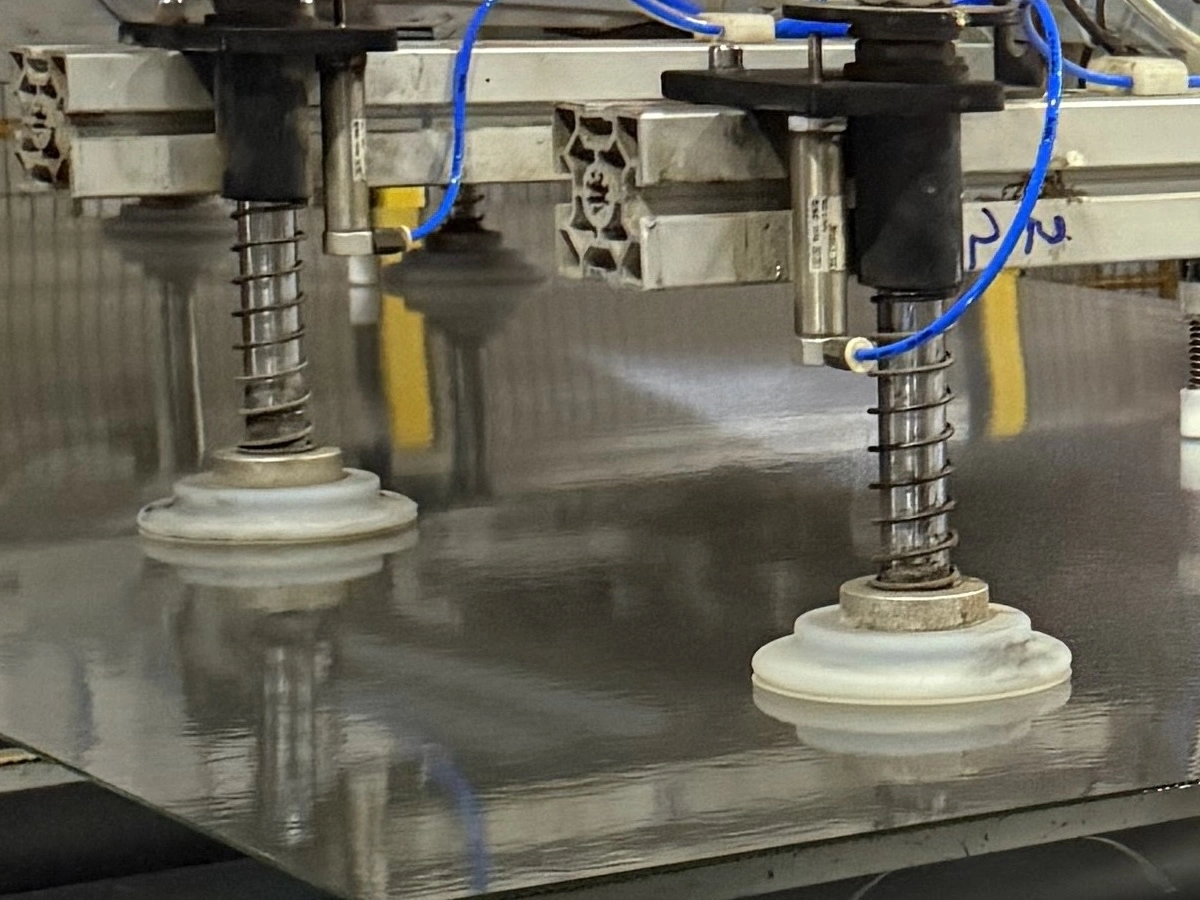
At EUROTECH, we are committed to delivering reliable vacuum handling solutions for a variety of industrial applications. A key component widely used across the industry is the bellows-type suction cup, known for its adap
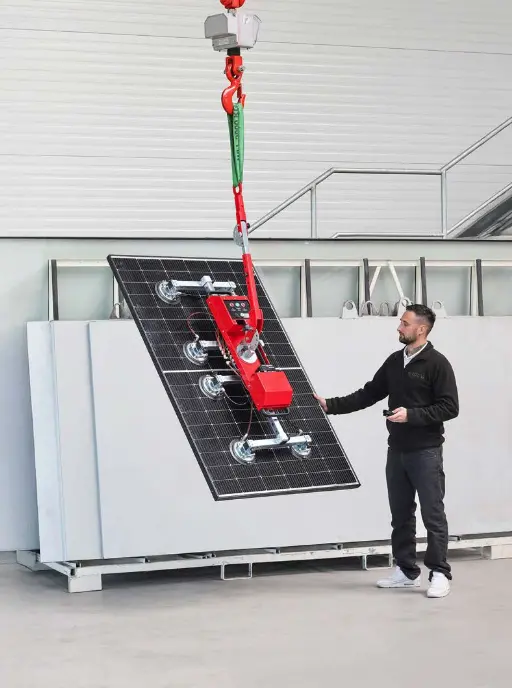
ガラスは建築、自動車、ディスプレイなど、さまざまな分野で使用される汎用性の高い素材です。その一方で、ガラス製品は非常にデリケートであり、わずかな接触や摩擦でも傷や跡が残る可能性があります。
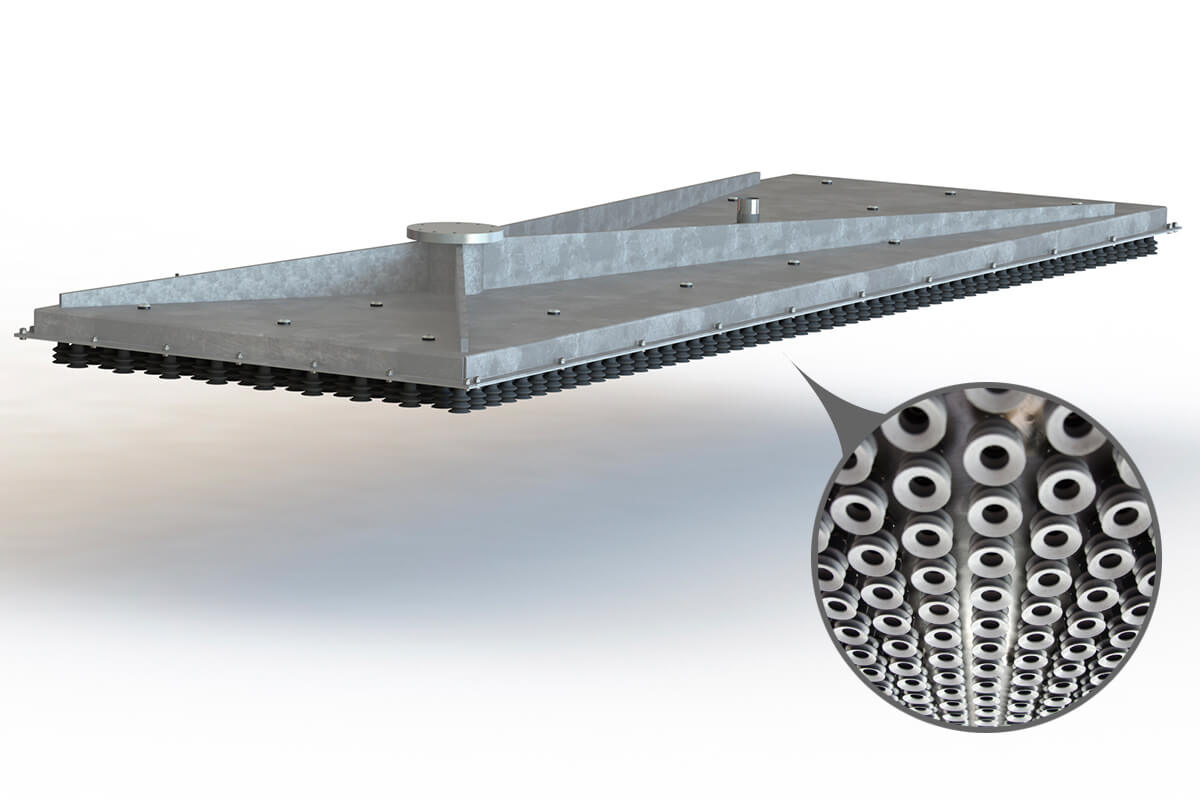
Learn the difference between vacuum lifters and vacuum grippers. Discover which system suits your industrial needs for lifting or automation efficiency.
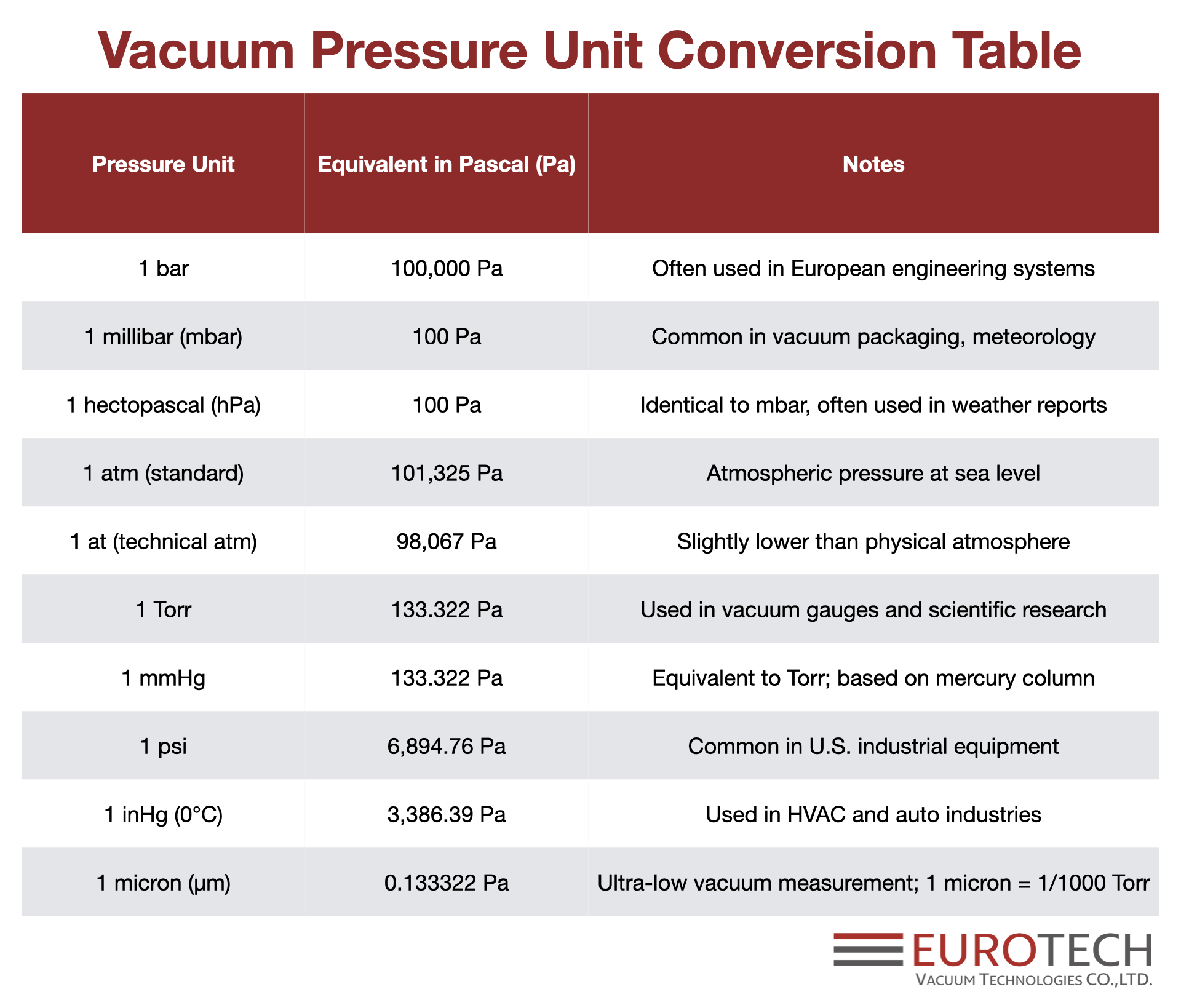
Free vacuum conversion chart for engineers: convert between kPa, mbar, psi, Torr, inHg, and % vacuum. Essential reference for vacuum system design.
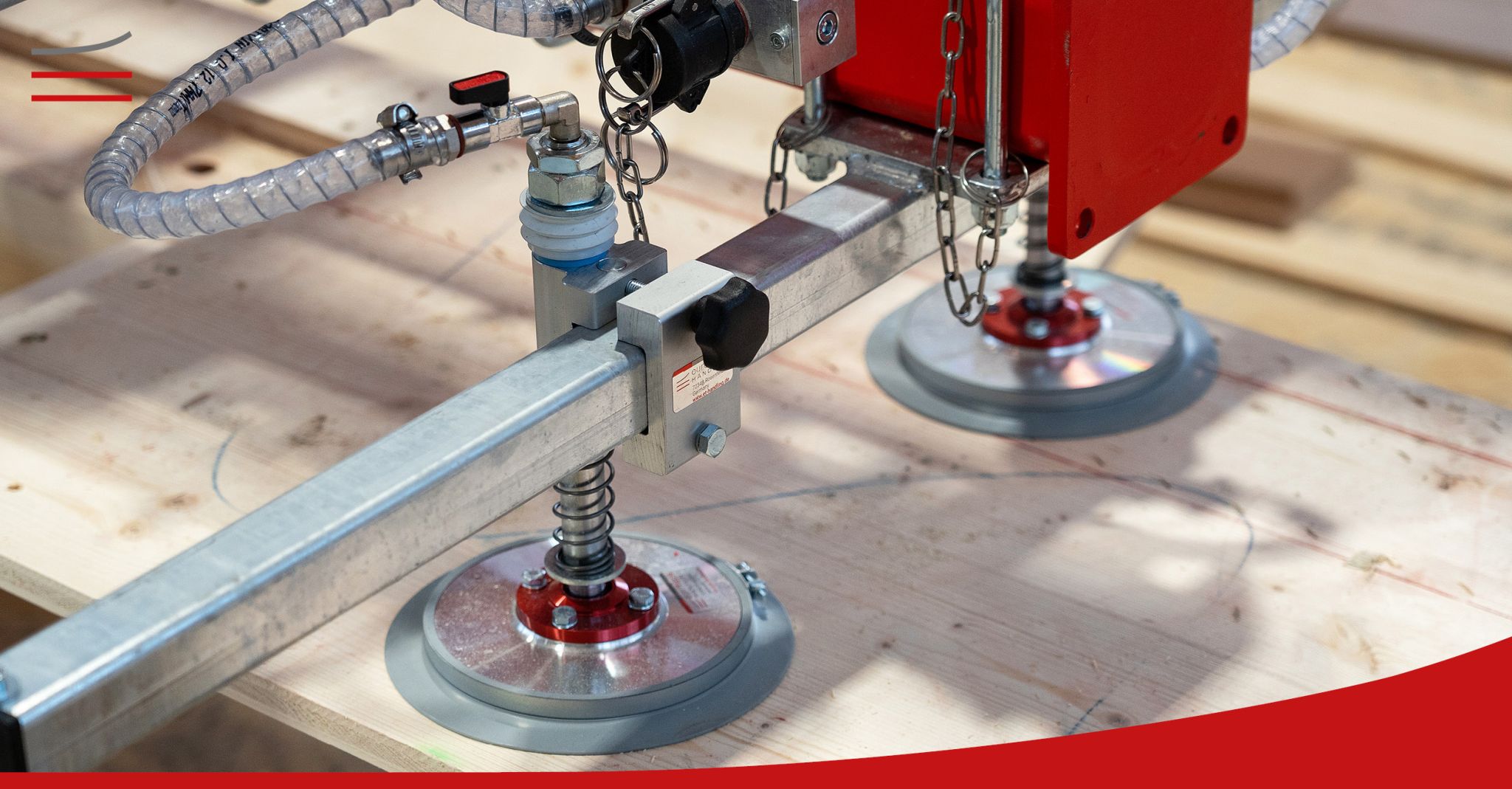
Learn how to measure vacuum suction force and select the right suction cup for safe, efficient handling in industrial automation systems.
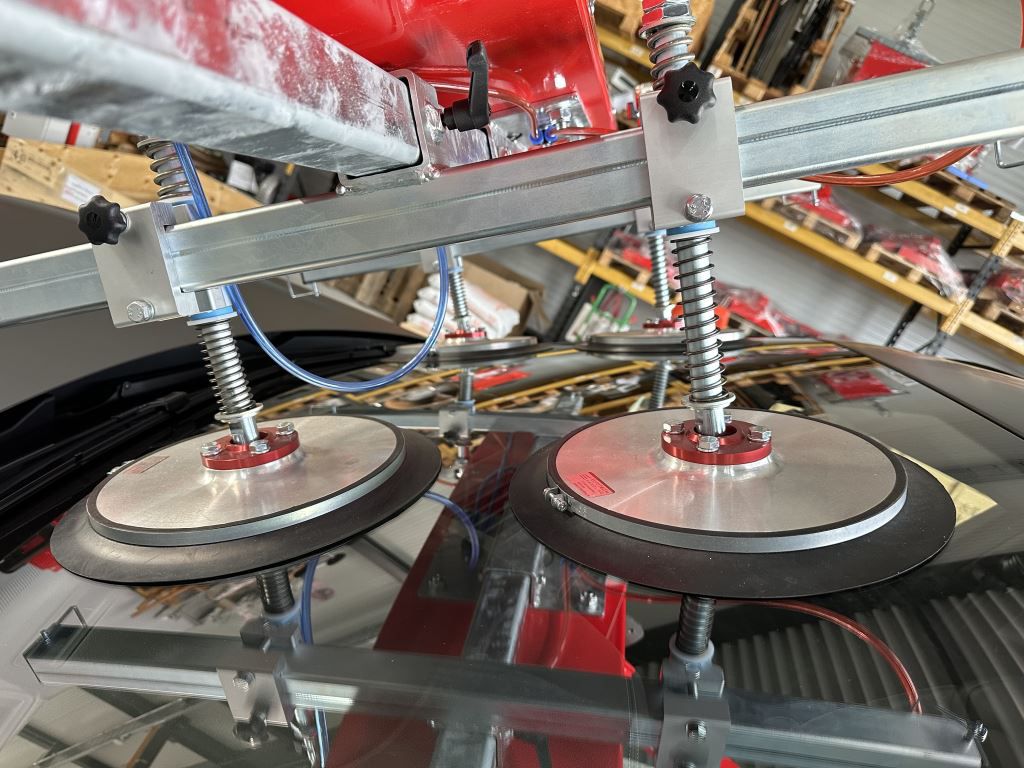
Discover how suction cups optimize the application of vacuum technology in industrial material lifting—boosting efficiency, safety, and automation.
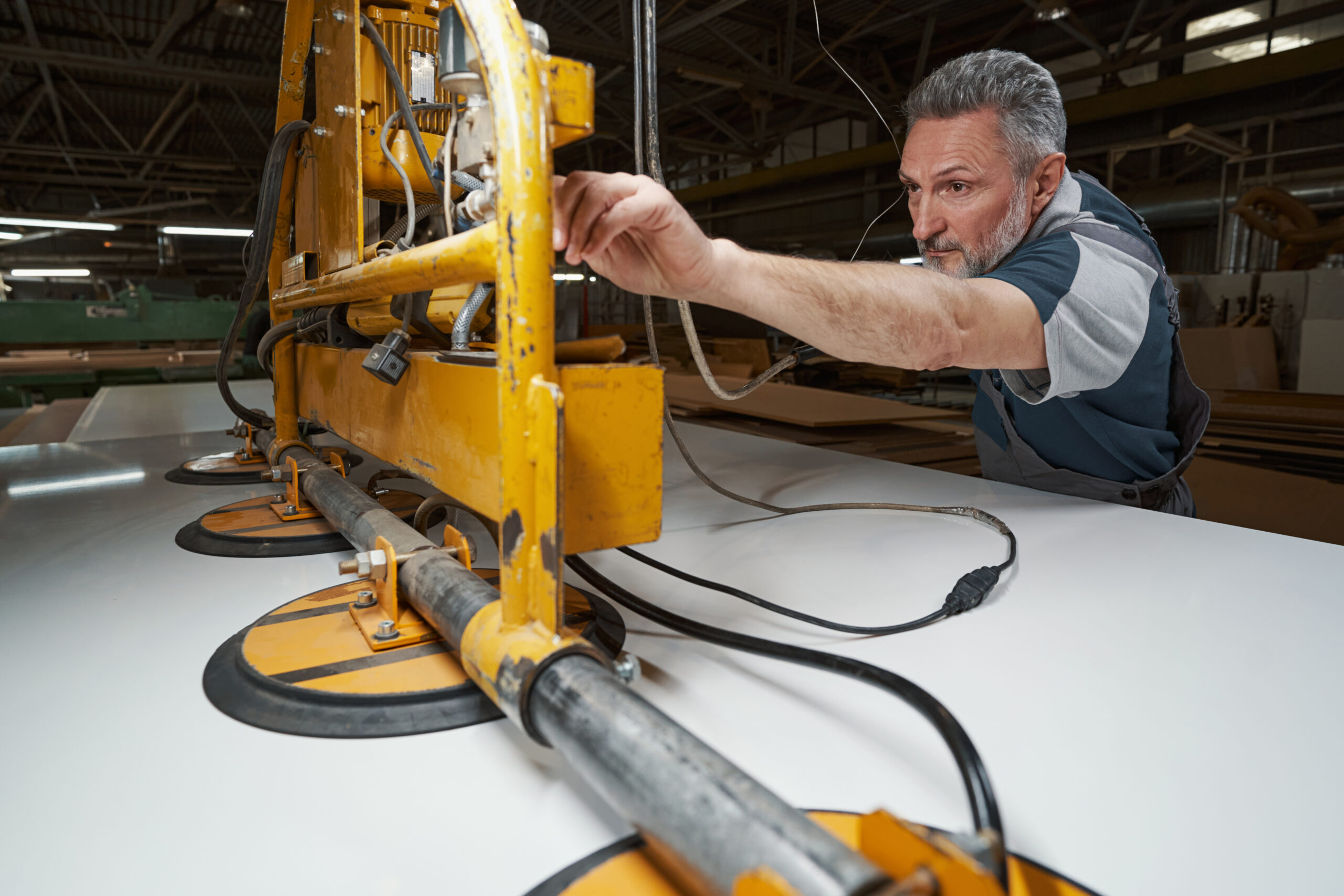
Learn how vacuum suction cups work, how pressure difference creates holding force, and how cup size, vacuum level, surface and materials affect performance.
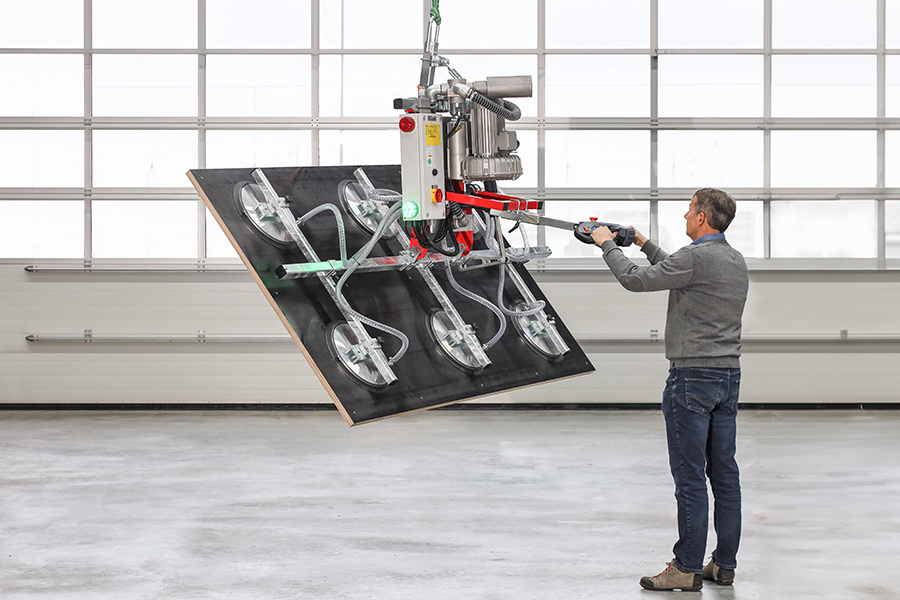
Discover types, benefits & uses of pneumatic lifting devices. Learn how to choose the right system for safe, efficient material handling.
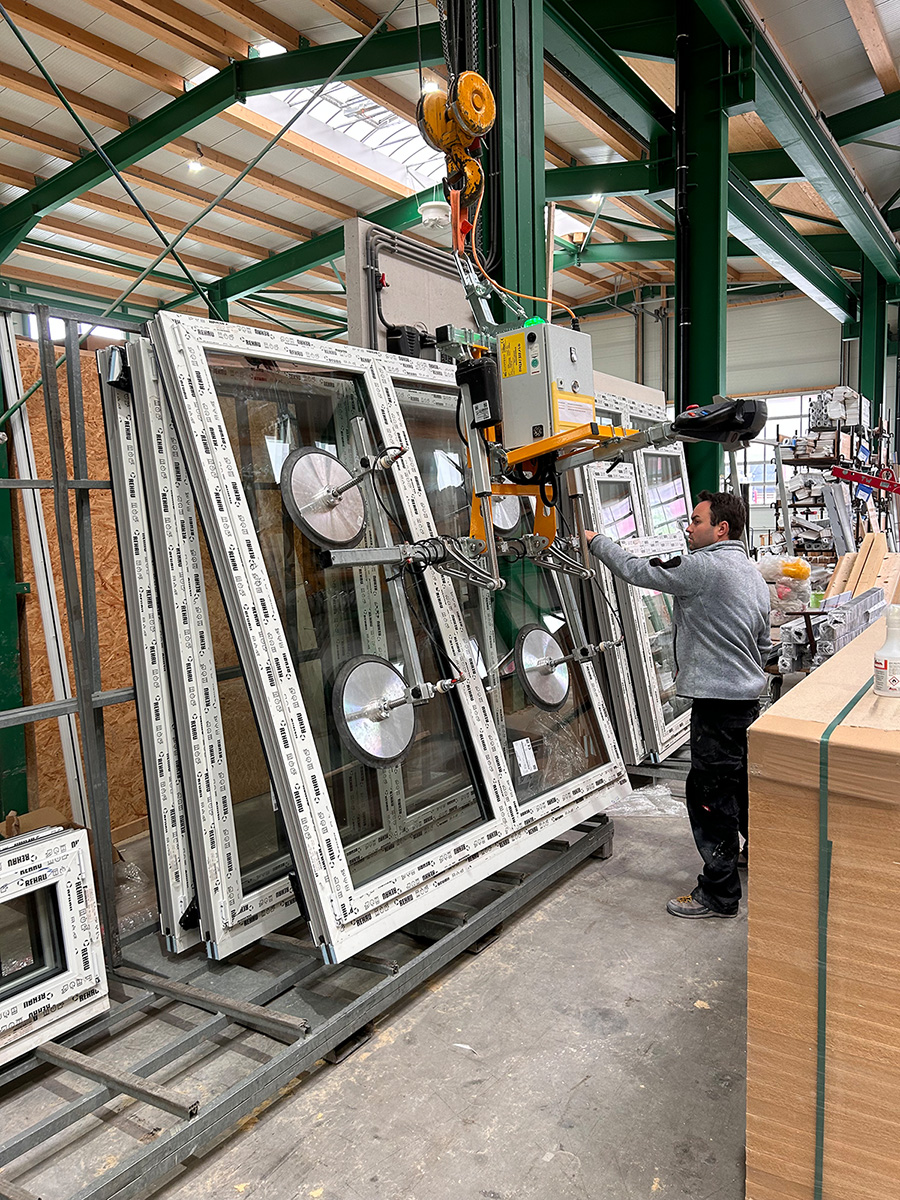
Explore industrial vacuum applications in glass, metal, woodworking, packaging and robotic handling, with key factors for selecting a suitable system.
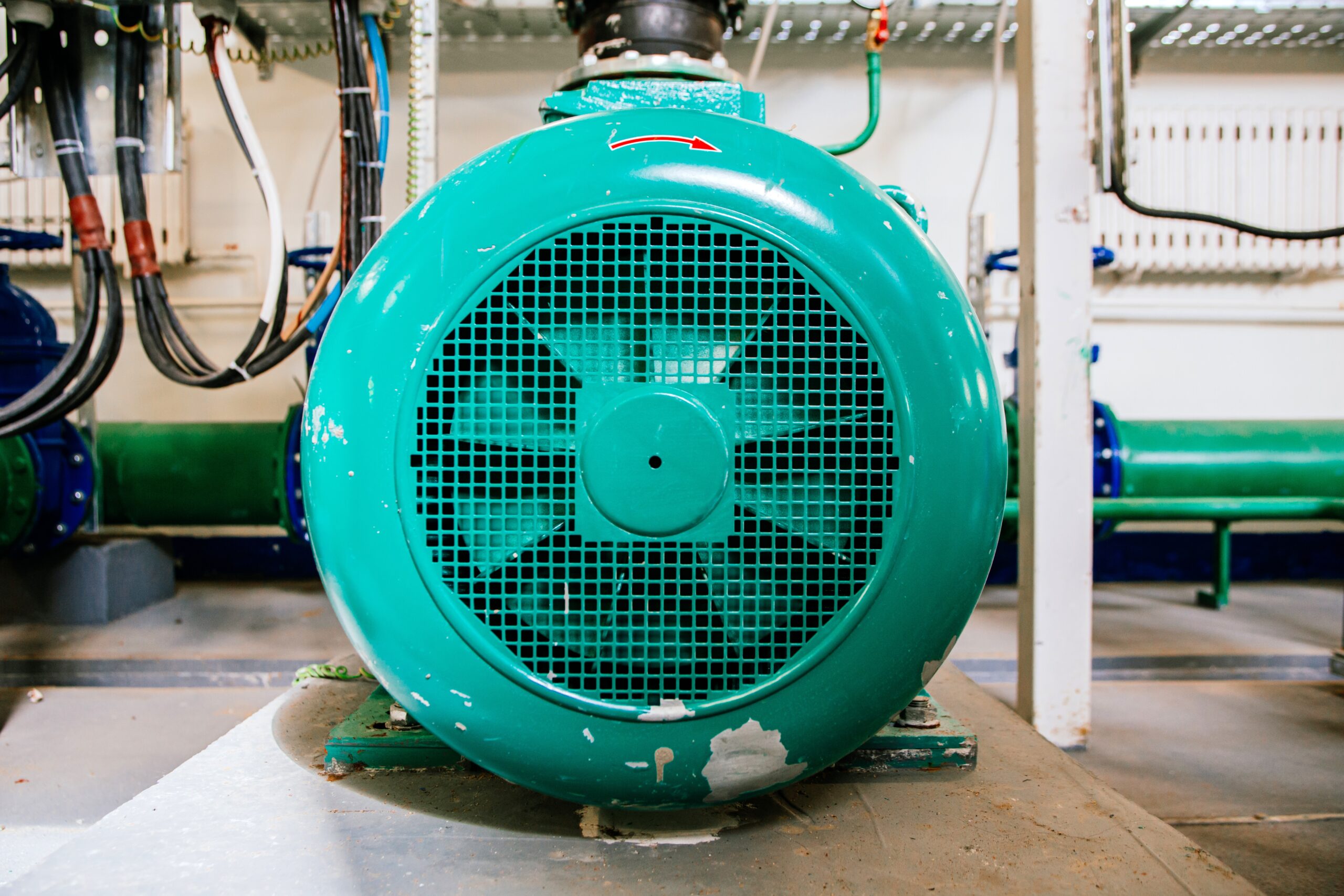
Compare vacuum ejectors, pumps and blowers for industrial handling. Learn how leakage, cycle time, vacuum level and energy supply affect selection.